
Attachment Therapy
for
Parents, Babies, and Toddlers
in Houston

Helping You and Your Child Reconnect
When Bonding Feels Hard
Parenting a child ages 0–5 can stir up unexpected feelings. If you are navigating postpartum anxiety, depression, birth trauma, or unresolved grief, you might notice a painful gap between you and your child: a feeling of "attachment disruption."
You love your child deeply, but you might feel:
Disconnected, guilty, or unsure how to interpret your baby's or toddler's cues.
Triggered or overwhelmed by big toddler tantrums or infant crying.
Worried that past childhood trauma or hard birth experiences are affecting your relationship.
At Carinho Center, we specialize in Early Relational Health and attachment-based parent-child therapy. We work with you and your child together (dyadic therapy) to repair ruptures, build felt safety, and create a secure bond that lasts.
Whether you're rocking a newborn who won't settle no matter what you try, noticing your toddler pull away or become aggressive instead of reaching for you, or feeling oddly distant from a baby you love deeply, culturally responsive attachment therapy meets you exactly where you are.
Building a secure attachment with your child is possible, no matter where you're starting from.
At Carinho Center, we help families build stronger, safer bonds with their children, without judgment, and without a one-size-fits-all approach.
You're Not the Only Mama Wondering If You're Doing it "Right"
Your baby cries, and nothing you try seems to help. Your toddler stiffens, pushes you away when you reach for a hug, or clings so tightly you can't put them down for a moment. You catch yourself feeling flat, disconnected, overwhelmed, or even resentful in moments you expected to feel closeness, and then the guilt creeps in.
If any version of this speaks to you, please know that you're not failing as a parent.
You're noticing a real, workable pattern in how you and your child interact, one that's more common, and more treatable, than most parents realize.

What's Really Behind Attachment Struggles
Big feelings, no words. Babies and toddlers can't yet say what they need, so unmet needs show up as crying, clinginess, aggressive behavior, or withdrawal instead.
Your own history. How you were parented shows up in your own parenting now, even when you don't want it to. This may be clear as day for you, or hidden underneath the surface of your conscious awareness.
Stress and overwhelm. Postpartum depression, anxiety, trauma, exhaustion, grief, or life stress can make it hard to be as attuned as you want to be. Not to mention the heavy things happening in our communities and across the world, which impact attachment, too.
A rocky start. A difficult pregnancy and birth, prematurity, medical complications, adoption, foster placement, or early separation can all shape how bonding unfolds.
Why "Just Bond More" Doesn't Work
Well-meaning advice often boils down to "just spend more time together": more skin-to-skin, more eye contact, more effort. But if attachment were only about trying harder, most parents would have solved it already. Attachment lives in the nervous system, not just in behavior, which is why generic tips and checklists often fall short.
Real change happens when we work with what's actually driving the disconnection, in your body and your child's, not just the surface behavior. It is possible to support your body and mind towards connection with your baby’s unspoken emotional needs and strengthen your relationship.
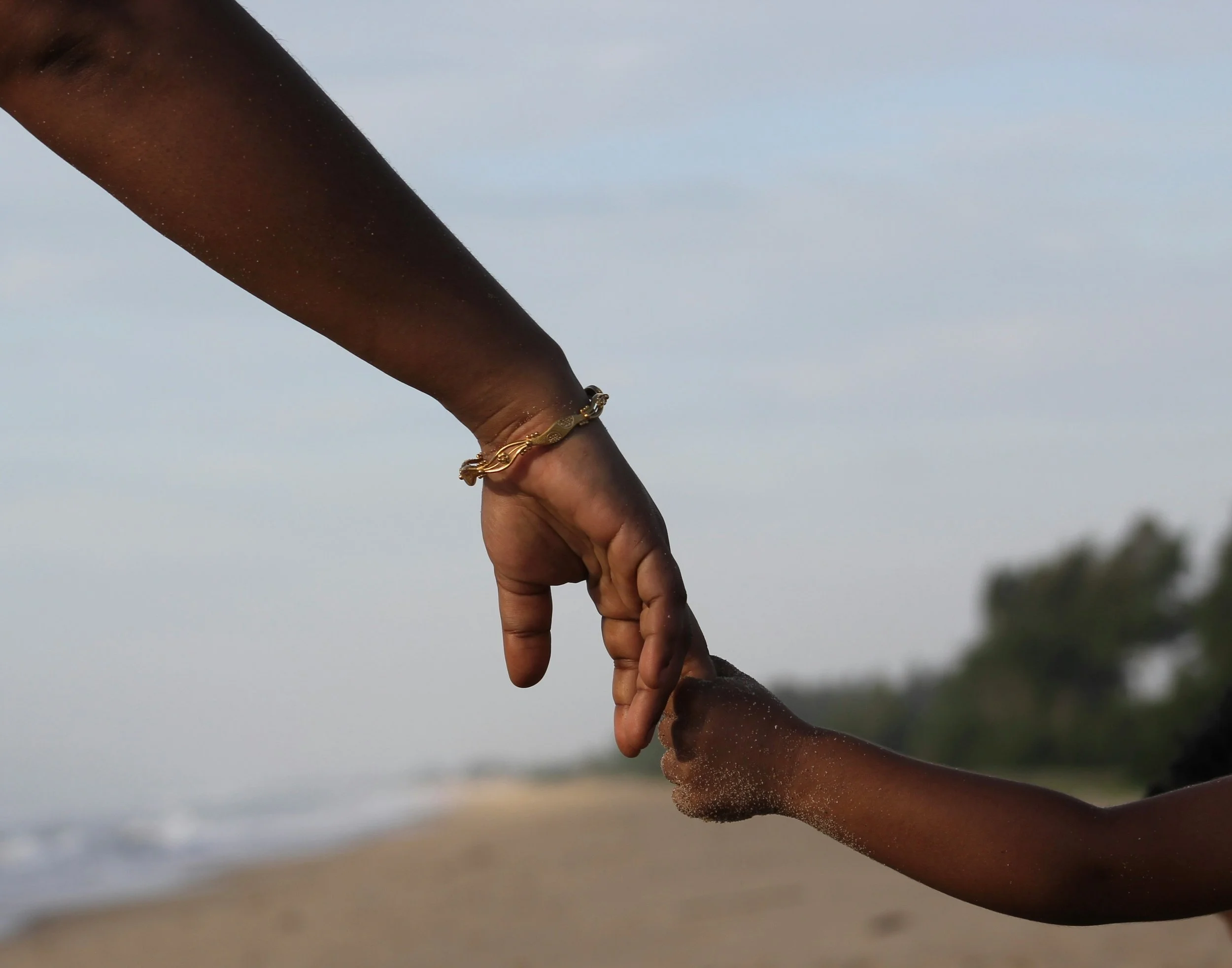
Wherever Your Path
Into Parenthood Started,
There's a Way Forward
If you're a mother or birth parent, we'll help you understand your baby's cues and your own responses, especially if postpartum depression, anxiety, grief, or a hard birth has made connection harder to access right now.
If you're a father or non-gestational parent, we'll help you find your own way of bonding, without comparing it to anyone else's experience.
If you're an adoptive or foster parent, we'll help you and your child build trust and attachment together, honoring whatever history your child brings with them.
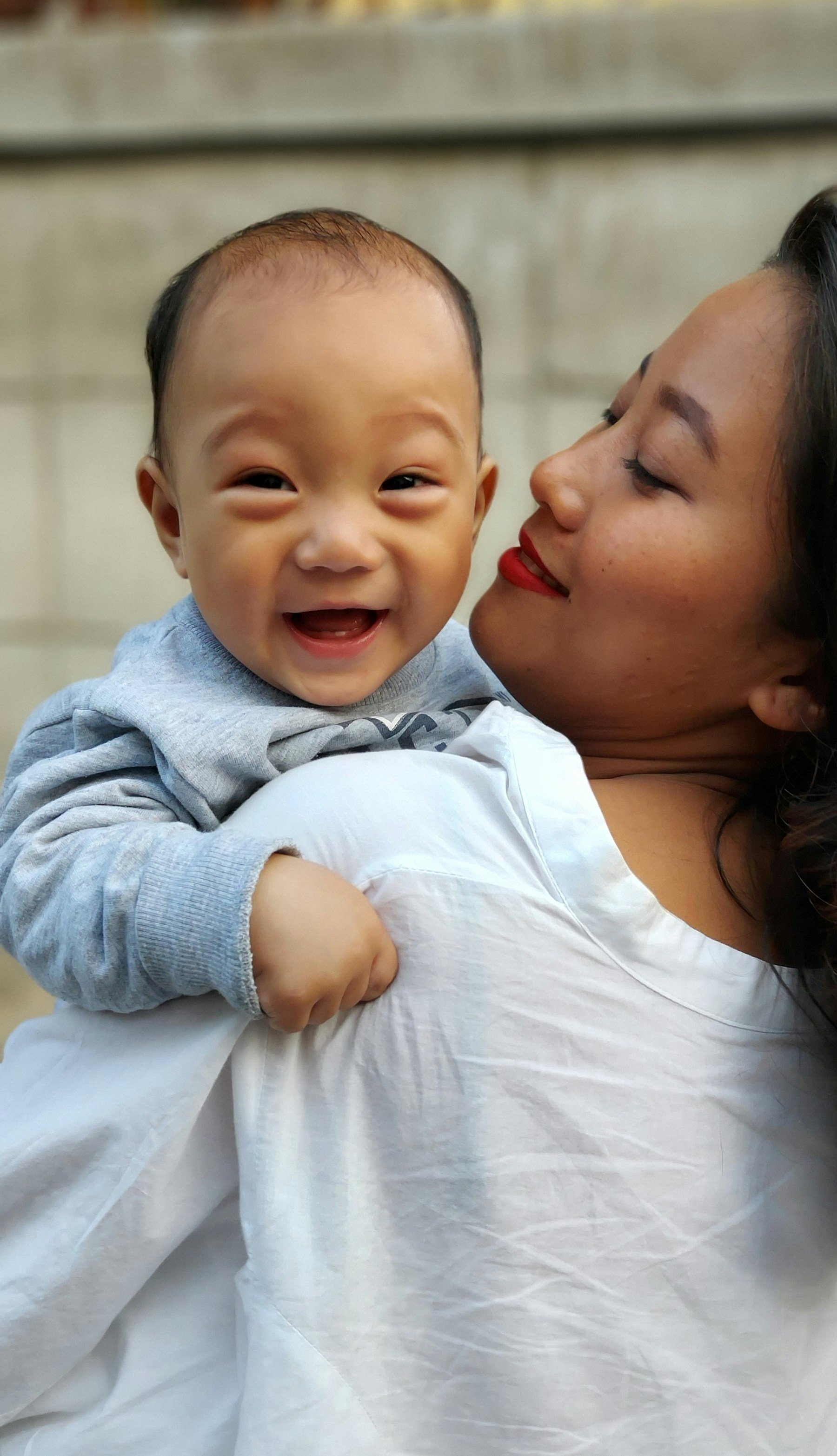
What Changes When
Your Bond Feels Secure
Your baby settles more easily in your arms.
Your toddler seeks you out for comfort instead of avoiding it.
You trust your own instincts instead of second-guessing every move.
Hard moments feel workable instead of overwhelming.
You feel present with your child, not just getting through the day.

The Carinho Method:
Culturally Responsive
Somatic Attachment Care
Attachment care at Carinho Center is provided by Luana Da Silva, LCSW-S, SEP, PMH-C, IMH-E®. As an Infant Mental Health-Endorsed therapist, Luana brings advanced, evidence-based training in 0–5 early relational health, and body-based trauma resolution (Somatic Experiencing).
We know that Infant mental health is directly tied to the quality of the emotional bond
between them and their caregiver. We don't just talk about attachment theory. We help your nervous system and your child's find safety and connection together, in a way that fits your family and honors your culture.
Together, we will help you heal and show up for your child present and responsive in these important first 3 years of life, so you can build a strong bond that will last a lifetime.
Early Relational Health: dyadic sessions with a specialized framework about the bond between babies, toddlers, and caregivers, and how it shapes lifelong wellbeing.
Somatic work: body-based, nervous system work to help you regulate the stress that gets in the way of being present and attuned, so you can stay connected and co-regulate with your baby.
Trauma and Grief informed: we look at what's underneath the disconnection - the emotion, the past hurt, not just the behavior itself. We don’t rush past or into what's hard, and we don’t ignore it; we approach difficult experiences with care.
Cultural humility: your culture, language, and family structure are treated as strengths, not something to explain or justify. There is wisdom in your story, even when there is also pain. We hold both with compassion and reverence.
Ready to Strengthen
the Bond With Your Child?
You don't have to keep feeling disconnected or wondering about how to nurture a strong relationship with your baby or toddler.
Schedule your free 25-minute consultation today to see if this is the right fit for your family.
Attachment Therapy: Frequently Asked Questions
-
It is a strain in the emotional connection between a parent and child, often triggered by postpartum stress, trauma, loss, or caregiver burnout and mental health challenges. It is common, highly treatable, and not a failure on your part.
-
Attachment therapy helps parents and young children build a secure emotional bond by understanding a child's cues, responding in ways that build felt safety, and working through anything getting in the way of connection, including a parent's own history.
-
Signs can include difficulty being soothed, avoiding eye contact or closeness, extreme clinginess, or seeming distant or shut down. These signs don't mean something is "wrong." They're information we can work with to better support you and your baby.
-
We work with families starting from birth through age 5, supporting newborns, infants, toddlers, and preschoolers.
-
No. While the earliest years are an especially responsive window, attachment can be strengthened at any age with the right support and consistency.
-
It varies by family, since attachment work is relational and unfolds at its own pace. A free consultation is a good place to start discussing your needs and get curious about what an initial timeline might look like for your family.
-
Not necessarily. Attachment work is at the very least dyadic involving the parent/caregiver and the child. At times, it can include more than one caregiver. The work done in sessions is tailored to whatever best fits your family’s needs.
-
Yes. Attachment therapy is especially valuable for adoptive and foster families navigating bonding, trust, and a child's early history.