
Prenatal and Postpartum Therapy
in Houston

Compassionate Care for Perinatal Anxiety, Depression, Trauma & Grief
Maybe you're pregnant and more anxious than anyone told you to expect. Maybe you just had a baby and don't feel like yourself, even though you love them deeply. Maybe your birth didn't go the way you hoped, and you're still carrying it, making it hard to connect with your baby. Perinatal therapy offers support through this specific, often disorienting chapter of life, before judgment, and before you have to explain yourself.
Carinho Center offers specialized support for people through pregnancy, birth, and postpartum from a culturally-responsive trauma- and grief-informed approach.

You're exhausted in a way sleep doesn't fix. You feel disconnected from your baby, or terrified something will happen to them. You're snapping at people you love, or crying more than you expected, or feeling numb when you thought you'd feel joy.
If any of this resonates, you're not failing at motherhood or parenthood. You're having a real, human response to one of life's biggest transitions.
The Season Nobody Fully
Prepares You For
You're far from alone in this: roughly 1 in 5 new or expecting parents experience a perinatal mood or anxiety disorder, some during pregnancy, others after birth.
Whenever it shows up, it's common, and it's treatable (PSI).
Why the Perinatal Period
Can Feel So Hard
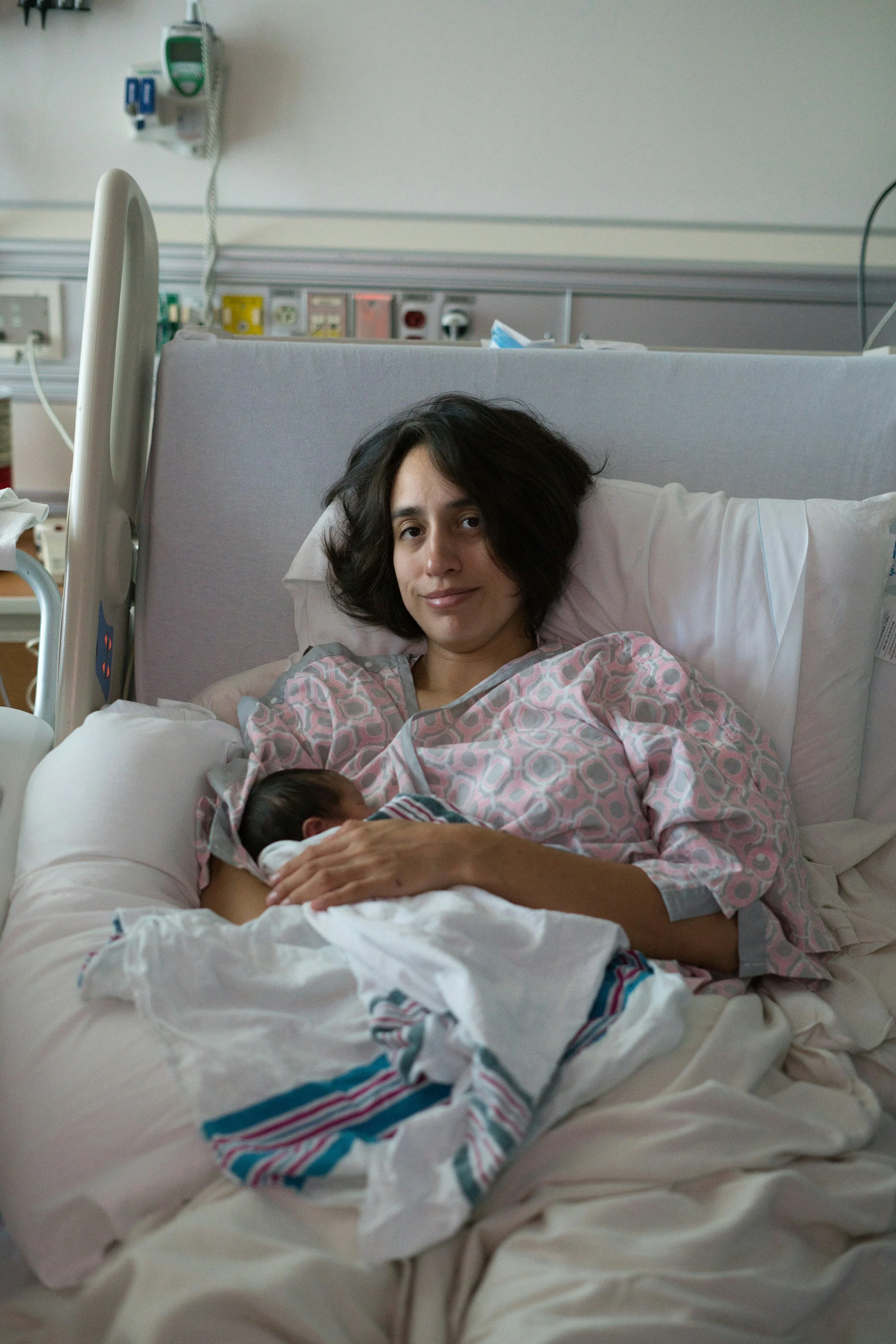
Hormonal, physical, and psychological shifts. Your body is recalibrating in ways that directly affect mood, mobility, and stress tolerance. Life’s demands do not necessarily adjust to this reality, and it can be hard to “keep up” - even though you really should not have to.
Identity and reality change. Becoming a parent (or a parent again) reshapes how you see yourself, sometimes disorientingly fast. There are a lot of thoughts and emotions to process amidst the very real day-to-day logistical changes through pregnancy and postpartum.
Intense physical experiences. Pregnancy, labor, birth, postpartum are very physical experiences involving various levels of sensations that cause discomfort and pain. This often brings up a sense of vulnerability that can be hard to navigate.
Unprocessed history. Pregnancy and birth can bring up unresolved experiences from your own past, at times unexpectedly or more intensely than you imagined, making everything that much more difficult to navigate.
Medical and care decision-making fatigue. There is a considerable amount of information to sort through in order to make choices that best align with your needs and wishes alongside your care providers. This becomes even more complex in high-risk scenarios.
Societal expectations. Expectations from your culture, family, or community can add weight to an already vulnerable time, even when they can be well-intentioned. Feelings of isolation can show up whether there are many people around you or less than you’d hoped.

"This Is Just
New-Parent Life"
Isn't the Whole Story
Some struggle is a normal part of this season, but that doesn't mean you have to carry all of it alone, or that everything you're feeling is "just normal."
Prenatal and postpartum depression and anxiety, birth-related trauma and grief are common and treatable. Support doesn't require you to be in crisis to be worth seeking.
Support at Every Stage:
From Pregnancy Through Postpartum
If you're pregnant, we'll help with anxiety, fear around birth, or processing a difficult pregnancy - or previous experiences resurfacing now.
If you're postpartum, we'll help with mood, identity, and connection with your baby, and with community.
If you experienced a difficult or traumatic birth, we'll help you process what happened, at your own pace.

The Carinho Method:
Perinatal Care Rooted in the Body
Somatic Experiencing: helping your nervous system process what your body is going or has been through.
Early Relational Health: supporting the bond between you and your baby from the very start.
Trauma and grief informed care: your reproductive story and experience are held with care.
Cultural humility: your identity, family expectations, and background are part of the conversation, not something to set aside.

What Changes With the Right Perinatal Support
You feel more like yourself again.
You feel more connected to your baby.
You are more emotionally prepared for labor, birth, and postpartum.
Anxiety loosens its grip and you feel more confident in yourself.
You learn to understand and ask for what you need.
You feel supported instead of isolated in your motherhood.
You build tools you'll carry well beyond the postpartum period.
You Don't Have to Carry
This Season Alone
Get support for this delicate and important season.
Schedule your free 25-minute consultation today to see if this is the right fit for you.
Perinatal Therapy: Frequently Asked Questions
-
Perinatal therapy supports women and birthing people through pregnancy, birth, and/or postpartum - both the emotional side of this season and the physical, in-the-body side, since the two are deeply connected.
-
Prenatal and postpartum therapy at Carinho Center provides a supportive, non-judgmental space to help you navigate the profound emotional and physical transitions of pregnancy, birth, and early parenthood.
Our approach goes beyond traditional talk therapy by integrating somatic (body-based) practices, relational healing, and culturally responsive care:
Gentle Nervous System Regulation: Using Somatic Experiencing (SEP), we help your body process the physical toll of pregnancy, difficult births, sleep deprivation, or birth trauma so you can feel grounded again.
Early Relational Bonding: We focus on the bond between you and your baby, offering practical tools to strengthen connection, read your baby’s cues, and ease feelings of disconnection or anxiety.
Specialized, Certified Expertise: Care is provided by an Endorsed Perinatal Mental Health Certified specialist (PMH-C) and Infant Mental Health Endorsed clinician (IMH-E®), ensuring evidence-based support for postpartum depression, anxiety, intrusive thoughts, grief, and identity shifts.
Flexible & Multilingual Care: Sessions are tailored to your family's needs and available in English, Spanish, and Portuguese. Babies are always welcome in session!
-
Persistent sadness, worry, irritability or rage, difficulty bonding with your baby, intrusive thoughts, or just feeling unlike yourself. These are common postpartum experiences that are treatable with the right care.
-
It is more common than most people realize. Support can help you build that connection without shame or judgment.
-
Yes. Prenatal support can help with anxiety, fear around birth, or preparing emotionally for motherhood/parenthood.
-
Yes, care is gender-expansive, multicultural, and linguistically-accessible in English, Spanish, or Portuguese.